A school garden can be much more than a patch of soil behind a building. It can become a place where students observe plant growth, practise measuring, ask questions about food systems and see how science connects to everyday life. A Massachusetts announcement on November 5, 2026, puts new support behind that kind of learning: the Healey-Driscoll administration awarded $750,000 in grants to 29 school districts, early education programs and other organizations to expand access to locally grown food and hands-on learning opportunities.
The funding is intended to help schools and early education providers connect meals and classroom learning with Massachusetts farmers and food producers. The state says supported activities can include school gardens, farm visits, cooking classes, local food purchasing and training for educators and school nutrition professionals. The grants are made through the Massachusetts Farming Reinforces Education and Student Health program, known as MA FRESH, and its coordination and partnership program, MA FRESH CORP.
Why food can be a useful learning theme
Food connects many subjects. A garden gives students a visible way to explore plant needs, soil, weather, insects and seasonal change. Measuring a planting bed can involve geometry and estimation. Recording growth over time introduces data collection and graphing. Reading a recipe or writing a description of a harvest gives students a reason to use vocabulary and communicate clearly.
These links do not happen automatically. A garden becomes a learning environment when teachers identify a question and help students investigate it. A class might compare how different plants grow, observe what happens when conditions change or calculate how much space is available for a new planting. Older students can explore food waste, local agriculture, supply chains or the environmental choices involved in producing and transporting food.
What the Massachusetts grants are designed to support
The November 5 announcement identifies two programs: MA FRESH and MA FRESH CORP. Together, they support efforts to bring locally grown food into school meals and classrooms while building relationships with farmers and food producers. The state describes a range of possible activities, including school gardens, visits to farms, cooking lessons, local purchasing and professional training for staff involved in education and nutrition.
The announcement does not say that every grant recipient will offer every activity, nor does it mean that a specific school in Somerville has received funding. The grants are awarded to 29 districts, early education programs and organizations across Massachusetts. Families and students should check with their own school or district to learn whether a particular garden, visit or food-learning activity is planned locally.
Design activities so more students can take part
Hands-on learning works best when participation is flexible. Some students may enjoy planting and harvesting, while others may prefer measuring, drawing, photographing changes, recording observations or helping prepare a presentation. Schools can create roles that do not depend on a student’s physical strength, prior gardening experience or comfort working outdoors. Accessible paths, raised beds, adaptive tools and clear safety routines can make a garden more welcoming.
Food activities also need to respect students’ different needs and circumstances. Schools should consider allergies, dietary restrictions, cultural practices and food safety when planning tastings or cooking lessons. Students should never be pressured to eat something or share personal information about household food access. The educational goal is to learn about food and agriculture in a way that preserves dignity and gives every child a meaningful role.
Connect the garden to the cafeteria and the community
A garden can be more engaging when students see how it relates to the food served at school. Nutrition staff can explain how menus are planned, how ingredients are selected and what it takes to prepare meals for a large community. Teachers can invite local growers to describe seasonal crops or explain the work involved in bringing produce to market. A farm visit can help students understand that food production involves science, planning, labour and decisions about land and resources.
Partnerships should be practical and sustained. A school may begin with one classroom bed, a seasonal tasting or a visit from a grower rather than launching a large garden immediately. Staff need time to plan, maintain equipment and coordinate schedules. A clear plan for summer care is especially important because many school gardens continue growing when students are away.
Make the learning visible
Students can document a project through observation journals, drawings, short reports, recipe cards, charts or presentations to families. Reflection helps connect the activity to learning goals: What changed over time? Which conditions mattered? What surprised the class? What would students do differently next season? These questions make the work more than a one-day event.
Schools can also invite families and community partners to contribute knowledge without assuming that everyone has the same time, transportation or gardening resources. A short classroom conversation, a translated recipe, a volunteer shift or a local producer’s demonstration can all provide useful perspectives. The most inclusive projects offer several ways to participate.
A small growing space can open a wide curriculum
Massachusetts’ $750,000 grant announcement highlights the potential of local food initiatives to support both nutrition and learning. The long-term value will depend on how schools turn funding and partnerships into consistent, accessible experiences for students. When gardens, farm visits and cooking activities are connected to clear learning goals, they can help young people understand where food comes from and how their choices relate to science, community and the environment.
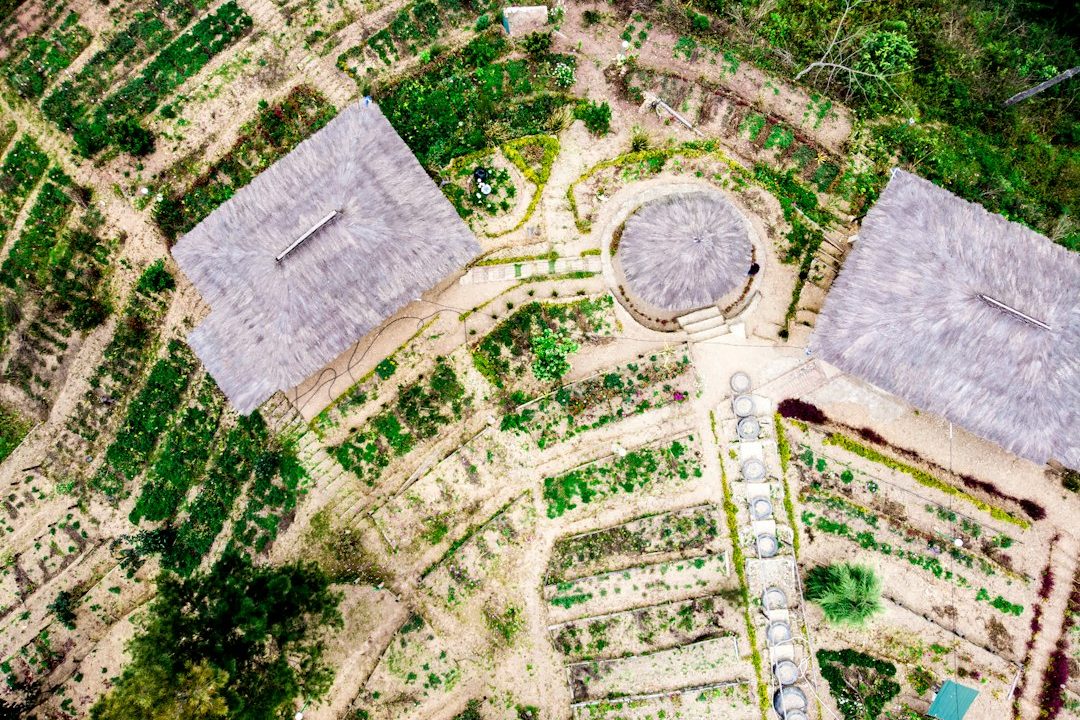
Illustrative school-garden image; it is not a photograph of a Massachusetts grant recipient. Photo by Tanushree Rao via Unsplash.