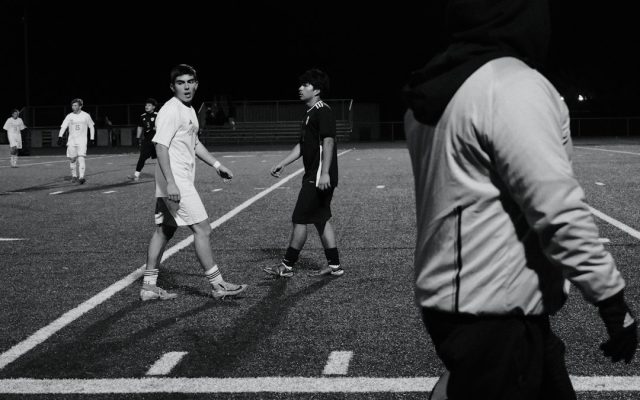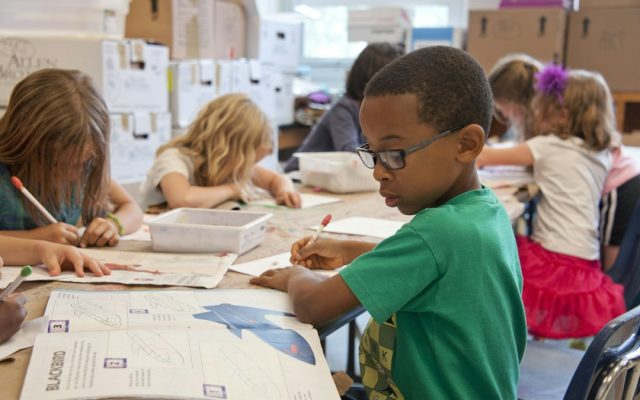
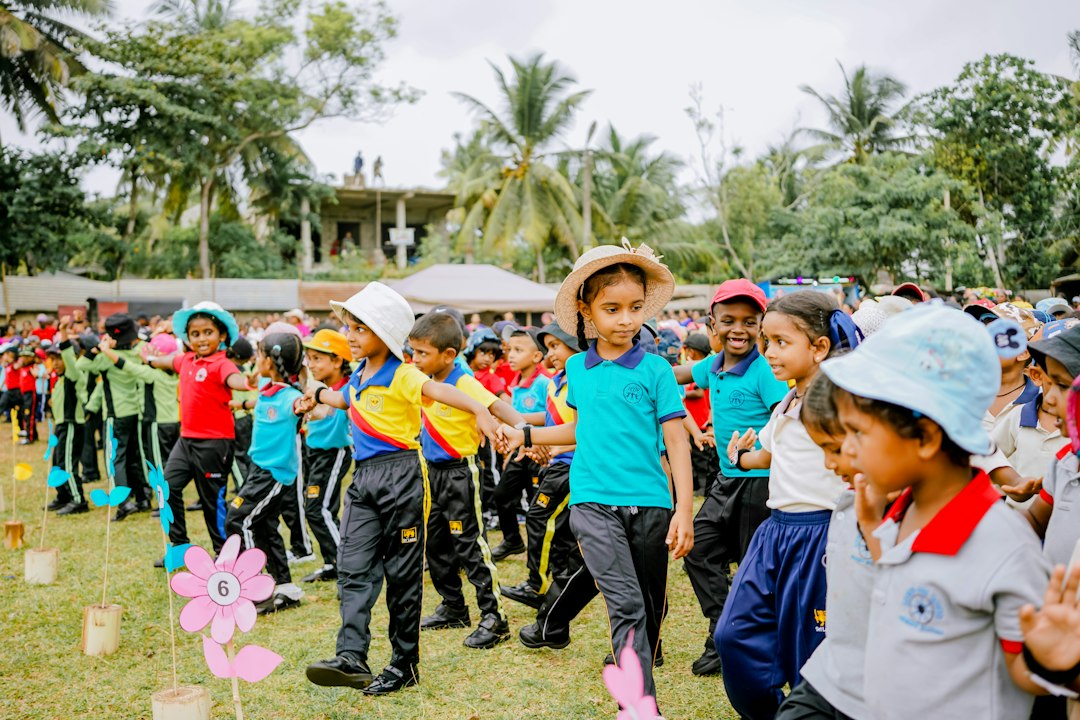
School activities can give students a place to discover interests, build friendships and practice skills that may not fit neatly into a traditional lesson. A club, performance, team project or community activity can become an important part of a student’s connection to school. But participation does not happen automatically. Activities are most valuable when students can see a way in, feel welcome and take part without unnecessary barriers.
Offer different ways to participate
Not every student wants to perform in front of an audience or compete on a team. Some prefer designing posters, organizing materials, keeping records, researching a topic or helping a group prepare. Activities become more inclusive when they recognize that contribution can take many forms.
Organizers can make roles flexible and rotate responsibilities so that the same confident students do not always lead. A student who begins by observing may be ready to take on a larger role after a few meetings. Giving people time to become comfortable can be as important as inviting them to join.
Make practical details visible
Students and families need clear information about schedules, costs, transportation, equipment and expectations. Uncertainty about these details can prevent participation even when interest is high. Whenever possible, schools and community groups can communicate requirements early, offer low-cost alternatives and explain whom families can contact with questions.
Scheduling matters, too. Students may have caregiving responsibilities, jobs, transportation limitations or other commitments. A range of meeting times, short-term projects and occasional lunchtime activities can create additional opportunities without assuming every student has the same availability.
Create a welcoming first experience
The first meeting often shapes whether a student returns. A brief introduction, a simple activity and a clear explanation of what will happen next can reduce the pressure of joining an unfamiliar group. Pairing new participants with a welcoming peer gives them someone to ask about routines and expectations.
Adults should also pay attention to group culture. Jokes that exclude, cliques that control decisions or informal rules that newcomers cannot understand can make an activity feel closed. Establishing shared expectations for respect and cooperation helps students take appropriate risks and learn from one another.
Connect activities with meaningful learning
Activities do not need to resemble another class to support learning. A student planning a performance may practice communication and time management. A robotics group can involve design, testing and teamwork. A service project can help students understand community needs and consider how to respond respectfully.
Reflection makes these experiences more visible. After a project, ask students what changed from the original plan, which contribution helped the group and what they would do differently next time. The answers help participants recognize skills they can use elsewhere.
Listen to students and adjust
Participation data can show who is joining, but conversation helps explain why others may not be. Short surveys, informal check-ins and student representatives can surface barriers that adults have overlooked. Students should be able to offer feedback without feeling that they are criticizing the people who organized the activity.
When schools treat activities as shared spaces rather than rewards for a select few, more students can find a meaningful role. The strongest program is not necessarily the one with the longest calendar. It is the one where students feel noticed, challenged and connected—and where they can imagine returning next week.
Photo: Praveen Maleesha / Unsplash