Arts education is sometimes described as an enrichment activity, separate from the academic work of a school. But music, theatre, visual art and other creative disciplines ask students to practise many of the same habits that support learning across subjects: close observation, revision, collaboration, communication and persistence. A Massachusetts education announcement on November 17, 2026, highlighted those connections when the Department of Elementary and Secondary Education reported that its inaugural statewide arts conference had welcomed 90 educators.
The conference included performances by three high-school groups, giving participants a chance to see student creativity as part of the professional conversation. The state announcement is a snapshot of one convening, not a full evaluation of arts provision across Massachusetts. Still, it offers a useful prompt for school communities to consider how arts experiences are supported and connected to the wider curriculum.
Creative work builds transferable habits
A student preparing a musical performance must listen closely, practise a part, respond to feedback and coordinate with others. A visual arts project involves making choices, testing materials, evaluating a result and revising an idea. Theatre asks students to interpret a text, understand different perspectives and communicate meaning through voice, movement and timing.
These experiences do not need to be justified only by their effect on test scores. The arts have their own intellectual, cultural and expressive value. At the same time, they create opportunities for students to develop confidence, creative problem-solving and the ability to work toward a shared goal.
Why educator collaboration matters
Arts teachers often work across grade levels, disciplines and performance spaces. Collaboration can help them share approaches to assessment, plan accessible activities and coordinate projects with classroom teachers. A science teacher and an art teacher might explore scientific illustration; a history class might work with theatre students to interpret primary sources; a language class might examine rhythm, lyrics and storytelling without reducing the artistic work to a worksheet.
For collaboration to be useful, educators need time and clear goals. A conference can introduce ideas, but schools need opportunities to adapt them to local schedules, facilities and student interests. Shared planning can begin with a manageable question: What do we want students to understand, what will they create and what support will help every student participate?
Make arts participation accessible
Access can be shaped by course scheduling, transportation, fees, equipment, audition practices and whether students know an opportunity exists. Schools can review whether students have a chance to participate in music, theatre and visual arts at different stages of their education. They can also consider flexible roles for students who are interested in production, design, stage management, sound, lighting or documentation rather than performing in front of an audience.
Accessibility should be part of planning from the start. Materials can be adapted, spaces can be made more navigable and instructions can be offered in multiple formats. Students should not need prior private lessons or expensive supplies to feel welcome. Community partnerships may help provide instruments, visiting artists or exhibition spaces, but they work best when school staff retain a clear educational purpose.
Connect student performances with the school community
Performances and exhibitions can give families a window into the learning process. They also help students see that their work matters to an audience beyond the classroom. Schools can make these events welcoming by sharing dates early, explaining whether tickets or reservations are needed and providing accessible ways for families to attend or view the work.
Not every meaningful arts experience ends with a public performance. A sketchbook, rehearsal, draft, critique or small-group demonstration can show important learning. Educators can help students reflect on what changed between the first idea and the final result, what feedback they used and what they would try next time.
What school communities can ask next
The November conference provides a useful starting point for questions about professional learning and student opportunity. Are arts educators included in schoolwide planning? Do students have regular access to creative subjects? Are schedules and resources sufficient for meaningful instruction? Can students participate in ways that reflect different strengths and interests?
For families, asking about course options, performances, exhibitions and extracurricular opportunities can help make arts learning more visible. For educators, sharing successful projects and challenges with colleagues can help turn a one-time event into sustained improvement.
Keep creativity in the centre of learning
Massachusetts’ inaugural arts conference brought educators together and showcased high-school performances. The next step for individual schools is to translate that shared attention into consistent opportunities for students. Creative learning is strongest when it is valued in its own right, supported by skilled educators and connected to a school culture where students can experiment, collaborate and express ideas.
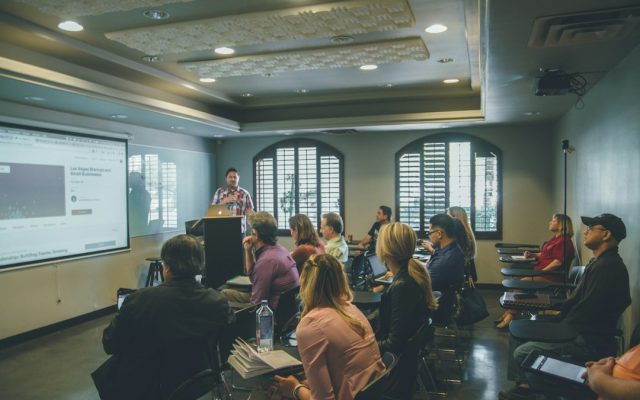
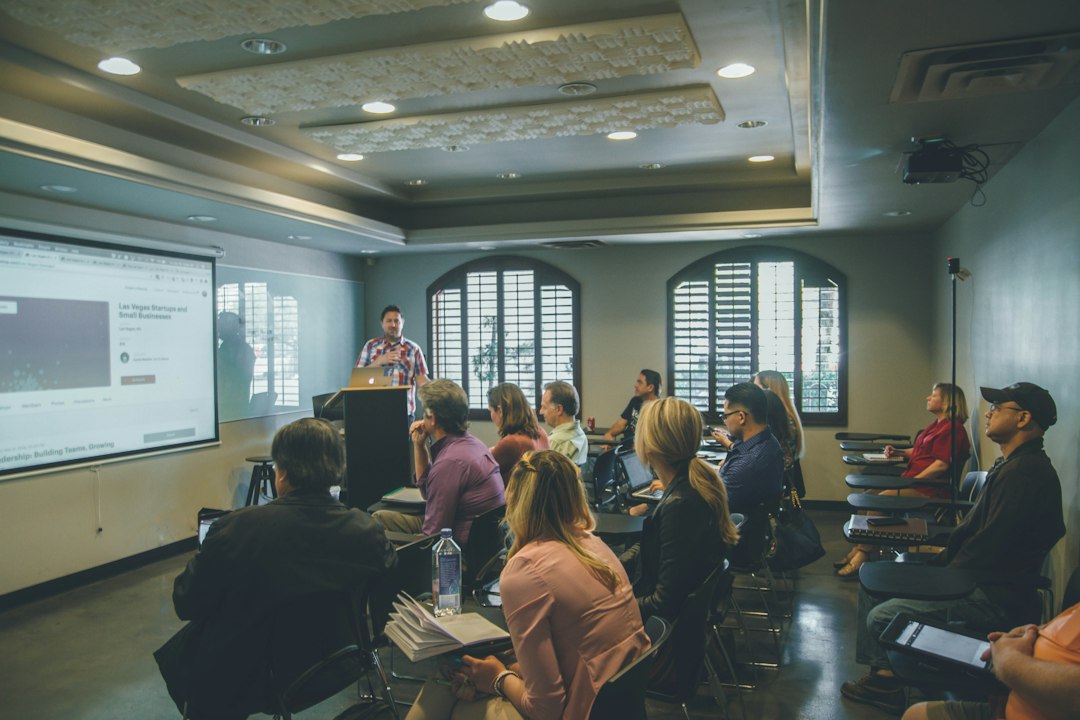
Illustrative professional-learning photograph; not a photograph of the DESE conference. Photo by Quilia via Unsplash.