Teachers make hundreds of decisions as they plan lessons, respond to student questions and adjust instruction. Working with colleagues can make that work more thoughtful and sustainable. Collaboration is most effective when it moves beyond exchanging announcements or collecting lesson materials. It needs a shared purpose, time to examine student learning and a clear next step.
Begin with a focused question
A productive team meeting does not have to solve every challenge at once. It can begin with one question: Which part of this unit is students finding difficult? Are instructions clear? What evidence shows that learners can apply the skill independently? A focused question keeps discussion connected to teaching and learning and makes it easier to decide what information the team needs.
Look at evidence together
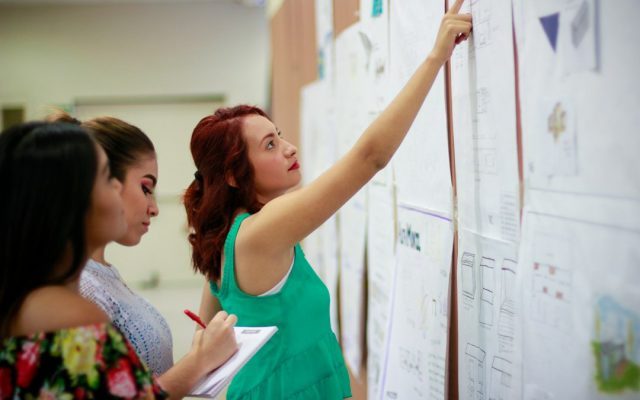
Colleagues may have different impressions of how a lesson went. Looking at a small sample of student work can make the conversation more concrete. Teachers can identify patterns, such as a common misunderstanding, a task that invited strong reasoning or directions that students interpreted in different ways. The purpose is not to rank teachers or students. It is to understand what the evidence suggests and consider what might help.
Share practice, not just resources
A shared folder of worksheets can save time, but teachers also benefit from explaining why a strategy worked. A colleague might describe how they introduced a concept, checked understanding or supported students who needed another example. Another teacher can adapt the idea to a different class and report what happened. Short peer observations can be useful when they are voluntary and guided by a clear question.
Make collaboration inclusive
Teams are stronger when different perspectives are welcomed. New teachers may notice questions that experienced colleagues no longer think to ask. Specialists can offer insight into accessibility and student support. Other school staff may see how routines work outside a single classroom. Facilitators can help by sharing agendas in advance, making space for quieter voices and recording decisions.
Protect time and keep the plan realistic
Collaboration cannot depend entirely on goodwill squeezed into already full schedules. Schools need to protect time for teams to meet, prepare and follow through. A useful meeting ends with a manageable action: try a revised explanation, compare a small set of student responses or develop a common checklist. At the next meeting, the team can return to the question and ask what changed.
Build trust through consistency
Trust grows when colleagues know that questions and uncertainties will be treated with respect. Leaders can support this culture by clarifying the purpose of collaboration, recognizing thoughtful experimentation and avoiding the use of team conversations as informal evaluations. When teachers share a focused question, examine evidence and test practical ideas together, collaboration becomes part of the learning environment. Students benefit from more coherent experiences, and educators gain a professional community that helps them keep improving their practice.