
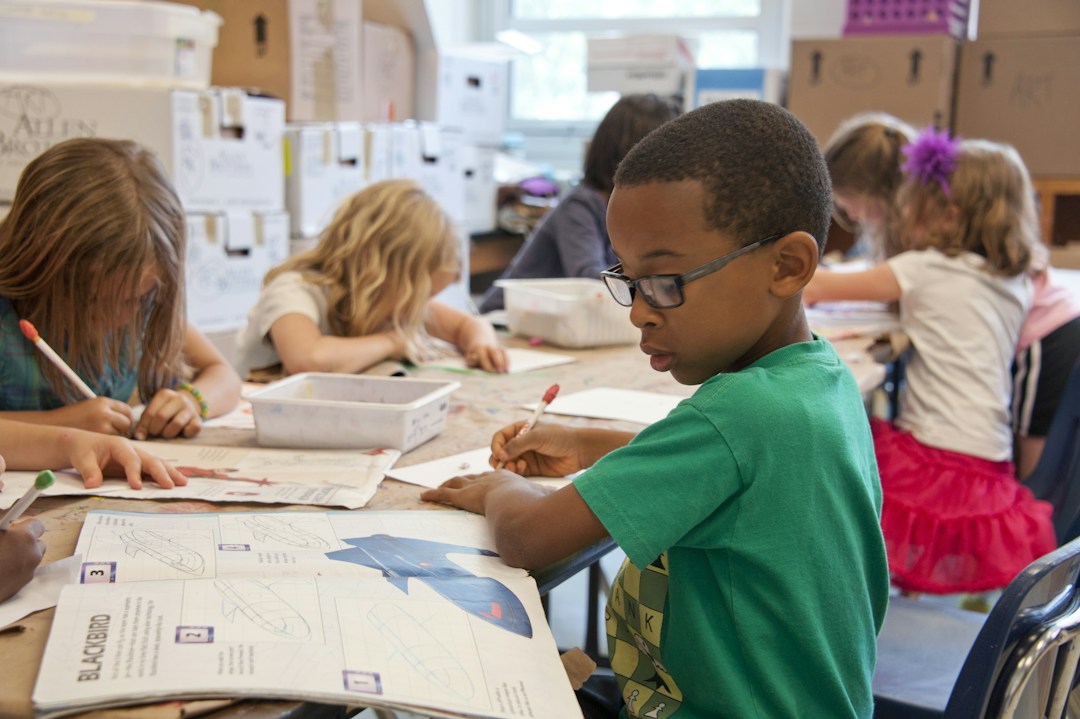
Friendships in elementary school can change quickly. Children are learning how to join a game, take turns, handle disagreement and recognize that classmates may enjoy different things. Adults can help without trying to manage every interaction. The aim is to give children language and confidence to solve everyday social problems while knowing when to ask for help.
What children gain from the experience
A strong school community makes room for different personalities and ways of participating. Some children feel comfortable in large groups; others prefer one friend or a quieter activity. Inclusion does not mean every child must behave the same way. It means students are treated with respect and have meaningful opportunities to take part.
Ideas families can try
Practice simple phrases at home: “Can I join?”, “I didn’t like that”, “Let’s take turns” and “Can we try another game?” Ask children how they felt during a social situation before offering advice. If a concern is repeated, serious or affects a child’s sense of safety, contact the appropriate school staff rather than relying on rumors or informal group chats.
Where the HSA fits
The HSA describes inclusion and community well-being as part of its mission and highlights events that bring families together. Families can support that work by welcoming different perspectives, modeling respectful communication and sharing constructive suggestions with organizers. Student-specific conflicts and safety concerns should be handled through the school’s established channels.
Participation that fits real family schedules
Family involvement does not have to mean joining every committee or attending every event. A useful contribution can be a single hour, a skill shared from home, a donation, a thoughtful question, or helping another family understand where to find information. Families have different work schedules, caregiving responsibilities, languages and levels of availability. A welcoming school community makes room for those differences instead of treating one kind of participation as the standard.
Before volunteering, ask the HSA what help is needed, when it is needed and whether the task can be done remotely. For activities involving students or access to school spaces, follow the school district’s current volunteer procedures and directions. Clear expectations protect students, staff and volunteers, and they make it easier for organizers to match people with useful work.
Why the school–family partnership matters
Teachers and school staff understand classroom goals, student needs and the rhythm of the school day. Families bring knowledge of children’s interests, strengths, questions and experiences outside school. An HSA can help connect those perspectives by supporting enrichment, creating opportunities for families to meet and organizing practical assistance. The strongest partnership respects professional boundaries: volunteers support school priorities while educators retain responsibility for instruction, student information and classroom decisions.
Good communication is specific and constructive. Instead of assuming what a program needs, families can ask what outcome the school hopes to achieve, what resources would help and how the HSA can contribute. This approach keeps fundraising and volunteering connected to student benefit rather than activity for its own sake.
A practical next step
Choose one area that matters to your household—reading, enrichment, inclusion, teacher support or community events—and learn how the HSA currently supports it. Read the association’s information, check school updates and contact the HSA with a focused question. If you are new, introduce yourself and ask about a small first task. If you have been involved for years, consider whether a new family might need help finding their way in.
Small, reliable contributions build trust over time. A school community grows stronger when families, educators and volunteers share information, recognize one another’s work and keep students’ learning and well-being at the center.
Helpful links
- Somerville HSA: mission, programs, volunteering and meetings
- Somerville Elementary School news and school updates
- Ridgewood Public Schools
Community feature and family guide. This article is not an official event notice; check the HSA and school channels for current dates, eligibility and registration details.