
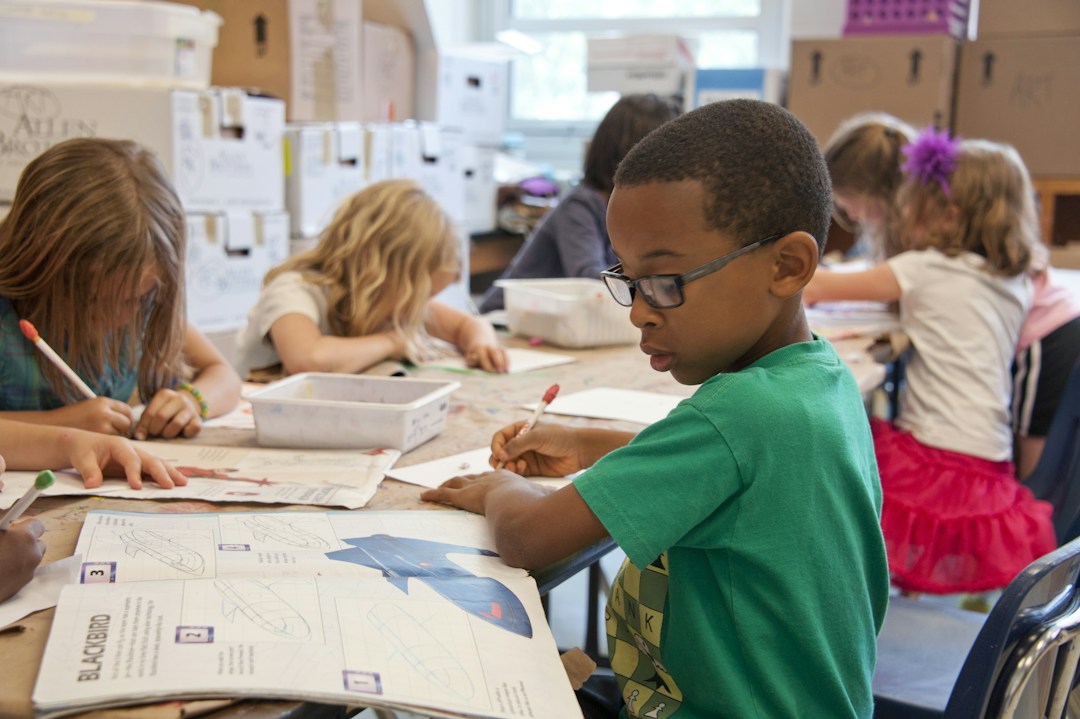
Children hear that kindness matters, but they also need examples of what kindness looks like in everyday situations. It can mean noticing when someone is left out, asking before borrowing an item, listening when a classmate is upset or choosing words that do not embarrass another person. These small actions help make a school feel safer and more welcoming.
Why this matters for children
Empathy develops as children learn to consider perspectives beyond their own. Adults can support this by naming feelings without assuming they know exactly what another person thinks. Stories, role-play and calm conversations after a disagreement can help children recognize the impact of their actions and consider ways to repair harm.
Ideas families can try
Ask questions such as “What might the other person have been feeling?” and “What could help make this right?” Encourage children to include classmates without pressuring anyone into friendship. If a pattern of exclusion, bullying or safety concerns appears, contact the school through its established reporting channels rather than trying to resolve a serious issue through parent-to-parent rumors.
How the HSA connects
The HSA explicitly describes inclusion and community well-being as part of its mission and says the Somerville community values people from different backgrounds and family circumstances. Families can reinforce that commitment by modeling respectful language and helping events welcome a broad range of participants.
Make involvement practical and welcoming
Family participation can take many forms: attending a meeting, volunteering for one task, sharing a useful skill, contributing to a fundraiser or helping another caregiver find accurate information. No family should feel that it must do everything to belong. Work schedules, caregiving, language, transportation and other responsibilities shape what is possible, so clear choices and advance information make participation more accessible.
When an activity involves students or access to school spaces, follow the district’s current volunteer procedures and the directions of school staff. Ask organizers what help is needed before buying supplies or making commitments. A well-matched contribution is more useful than an enthusiastic effort that creates extra work for teachers or event coordinators.
Keep the partnership focused on students
Educators bring professional knowledge of curriculum, classroom routines and student needs. Families bring important insight into children’s interests, strengths and experiences beyond school. The HSA can connect these perspectives by supporting enrichment, community events and practical resources. Constructive questions—what is the goal, who will benefit, and what support is actually needed?—help keep decisions transparent and student-centered.
For current policies, schedules, student-specific concerns and official school decisions, families should contact the school or district directly. The HSA is a family association that supports the school; it is not a replacement for school administration.
A useful next step
Start with one area that matters to your household, read the HSA’s current information and ask a focused question. New families can begin with a small task; experienced volunteers can help make instructions easier for newcomers to find. Consistent, respectful contributions build a community where students, families and educators feel supported.
Helpful links
- Somerville HSA: mission, programs, volunteering and meetings
- Somerville Elementary School news and school updates
- Ridgewood Public Schools
Community feature and family guide. This article is not an official event notice; check the HSA and school channels for current dates, eligibility and registration details.