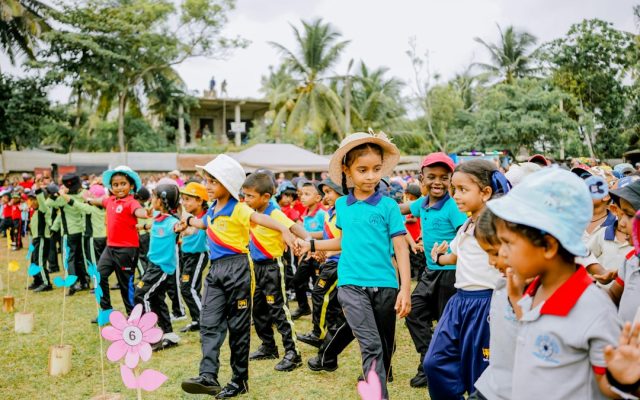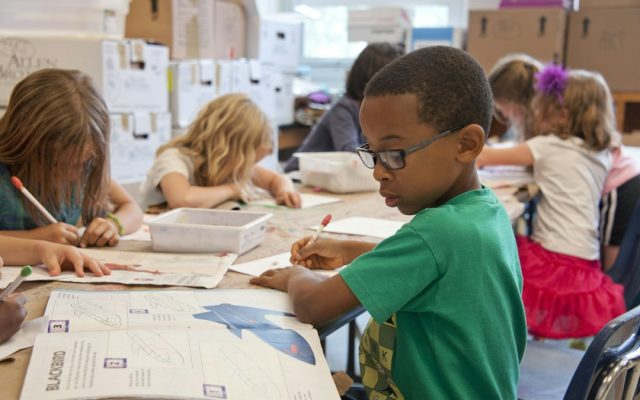
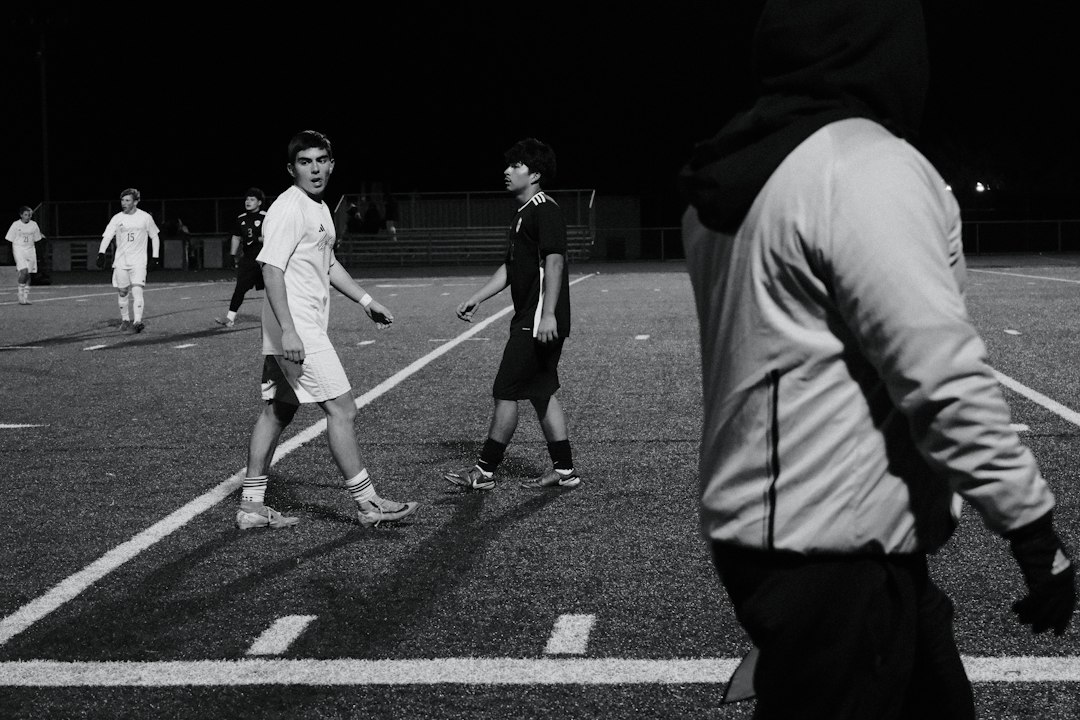
School activities can give young people a reason to look forward to the day, a place to build friendships and a chance to discover abilities that do not always appear in a classroom assignment. New national data offer an encouraging signal: the share of U.S. high school students who played on a sports team rose from 52 percent in 2023 to 58 percent in 2025, according to the Centers for Disease Control and Prevention. Yet the same CDC update notes that daily physical education attendance declined and several physical-activity measures remained unchanged. The message for schools is not that every student should join a team. It is that participation matters—and schools can create more ways for students to move, contribute and belong.
See the opportunity behind the numbers
The CDC’s September 21, 2026 release summarizes Youth Risk Behavior Survey findings from 2023 to 2025. It reports an increase in students playing on a sports team, while daily physical education participation fell and the share meeting recommended activity guidelines did not show the same improvement. These are national findings, not a measurement of one school’s clubs or athletics program. They do, however, invite educators to ask whether students have enough accessible opportunities to be active during and beyond the school day.
Sports teams can provide structure, coaching, shared goals and positive peer relationships. But a traditional team is only one form of participation. Some students prefer dance, outdoor recreation, walking groups, strength and conditioning, student-led fitness, martial arts, theater movement or an activity that combines physical and creative skills. Others may be interested in helping with equipment, event planning, photography, statistics or peer encouragement before they are ready to compete.
Offer a wider range of entry points
Programs are more inclusive when they offer different levels of intensity and experience. A student who has never played a sport may not feel comfortable joining a competitive team immediately. A beginner session, intramural league or short seasonal program can provide a lower-pressure first step. Students with disabilities should have meaningful ways to participate, with reasonable adaptations and attention to accessibility rather than being offered only a spectator role.
Schools can also separate participation from performance. If every activity is organized around winning, students who are still learning may decide that the space is not for them. A recreational group can emphasize practice, cooperation and enjoyment. A student who wants a challenge can still find competitive opportunities, while others can build confidence at their own pace.
Remove barriers before asking students to sign up
Interest is not the only factor that determines participation. Families need to know when activities meet, whether equipment is provided, what costs are involved and how students will get home. Late buses, accessible facilities, loaner equipment and clear communication about fees can make a meaningful difference. Schools can consider short lunchtime options or flexible sessions for students whose responsibilities make after-school attendance difficult.
Adults should be careful not to assume that a student who does not join simply lacks motivation. A young person may have a job, caregiving responsibilities, transportation limits, health needs or a schedule that changes from week to week. Asking students privately what gets in the way is more useful than making assumptions about why they are absent.
Make the social experience welcoming
Belonging is often shaped by what happens during the first few meetings. A clear welcome, an explanation of routines and a friendly peer can make a new participant feel less exposed. Coaches and activity leaders can set expectations for respectful language, fair play and how students handle mistakes. They can also watch for informal cliques that make newcomers feel they must already know the group’s rules.
Students should have more than one way to contribute. Rotating roles gives different participants a chance to lead warm-ups, organize a project, keep track of equipment or welcome new members. When students see that their contribution is valued, they are more likely to view the activity as a shared community rather than a space owned by a few confident people.
Connect activities with learning and wellbeing
Participation can help students practice communication, persistence, self-regulation and teamwork. Those skills do not develop automatically; adults can make them visible by asking students to reflect on how a group solved a problem, handled disagreement or supported someone who was learning a new skill. A short conversation after an activity can help a student recognize growth that may not appear in a score or competition result.
At the same time, schools should avoid overloading students. A full calendar is not always a healthy calendar. Students need room for homework, rest, family responsibilities and unstructured time. Asking participants how the schedule feels can help leaders adjust frequency and expectations.
Let students help shape the program
Participation records can show which activities attract students, but they cannot explain every reason someone stays away. Short surveys, student advisory groups and informal check-ins can reveal whether the activity feels welcoming, affordable and worth the time. Schools can use that feedback to test a new beginner group, change a meeting time or provide an alternative role.
The CDC’s findings point to an opportunity, not a mandate. Schools can build on growing team participation while widening the definition of what it means to take part. When students can find an activity that fits their interests, needs and schedule, school life becomes richer—and more young people have a place where they feel known, capable and connected.
Source: CDC, “CDC Data Show Encouraging Progress in Youth Health” (September 21, 2026).
Illustrative image: Photo by Tatev Ayvazyan via Unsplash.