
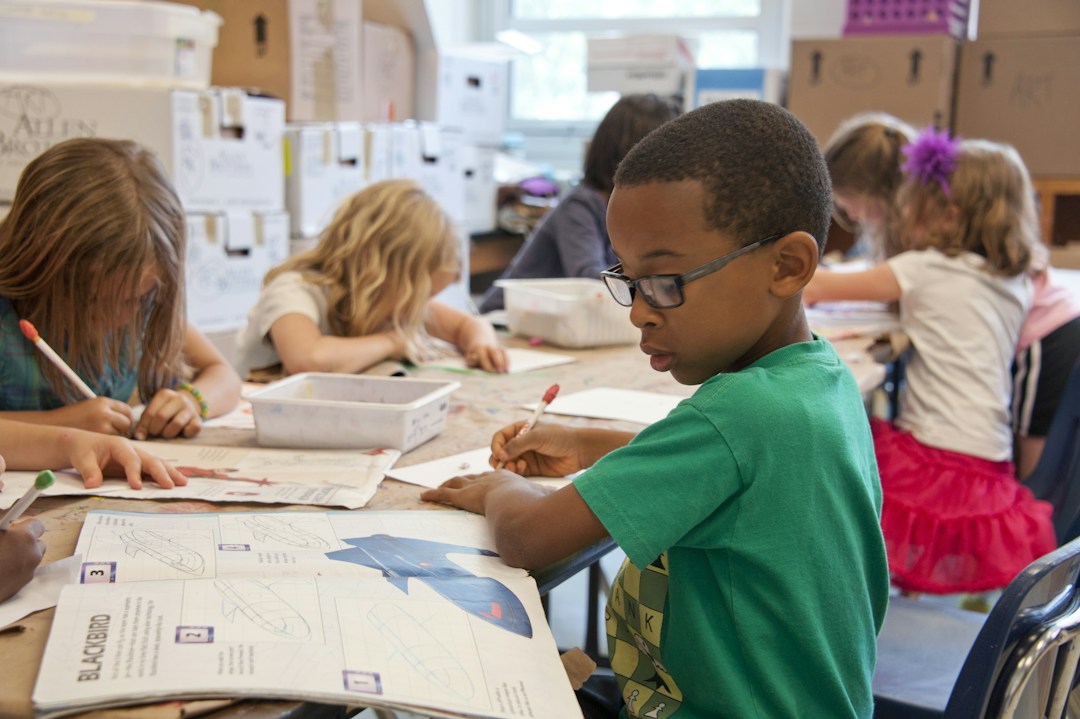
Helping children become more independent is a shared effort between families and educators. Students learn to manage materials, follow routines, ask questions and take responsibility through repeated practice. Teachers see how those skills affect classroom participation, while families can reinforce the same habits at home. A consistent approach gives children a clearer path from adult support toward growing confidence.
How educators can make independence teachable
Independence is easier to build when expectations are explicit. A teacher might model how to organize a folder, break a multi-step assignment into a checklist or show students how to request clarification. These small routines make success more visible, especially for children who are still learning how to plan and manage transitions. The goal is not to remove support but to provide the right support at the right time.
Where families can reinforce the work
Families can use similar language at home: prepare, check, ask, reflect. A child might pack a bag with a short checklist, place library books in a consistent spot or practice explaining what help they need. When school and home use compatible expectations, students have more opportunities to repeat a skill in different settings. Families should also recognize that children develop at different rates and may need different tools or accommodations.
Why educator-family communication matters
The Somerville HSA describes open communication and cooperative relationships between school and families as central to its mission. That partnership can help adults share observations without turning a routine challenge into blame. Teachers can explain what a student is practicing in class; caregivers can describe which reminders or strategies work at home. Together, they can identify a realistic next step and check whether it is helping.
Practical ways to support staff
Families who volunteer can help reinforce approved routines during events or classroom activities, but they should follow teacher instructions and respect student privacy. Volunteers should not create separate behavior systems or make promises about individual student progress. The HSA’s published support for teacher appreciation, volunteer programs and classroom enhancements offers ways to strengthen the environment around educators while leaving instructional decisions with school staff.
Start with one manageable habit
Choose one routine that matters to the student and agree on the steps with the adults involved. Keep the checklist short, offer encouragement for effort and adjust the plan when it is not working. Independence grows through practice, trust and clear communication—not through expecting children to manage everything alone.
Helpful links
- Somerville HSA: mission, programs and contact information
- Somerville Elementary School news and updates
- Ridgewood Public Schools
Community feature and family guide. This is not an official school policy notice. For student-specific guidance, contact the school directly.