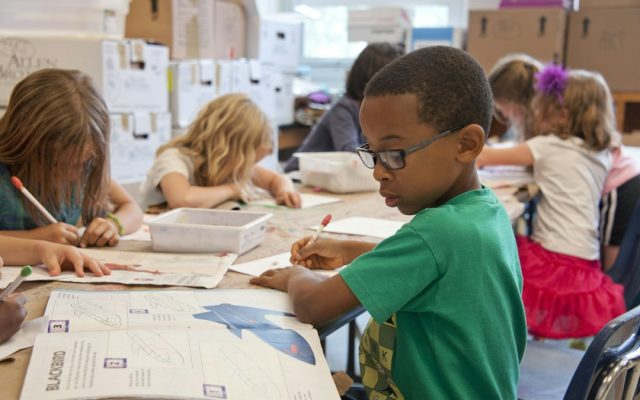
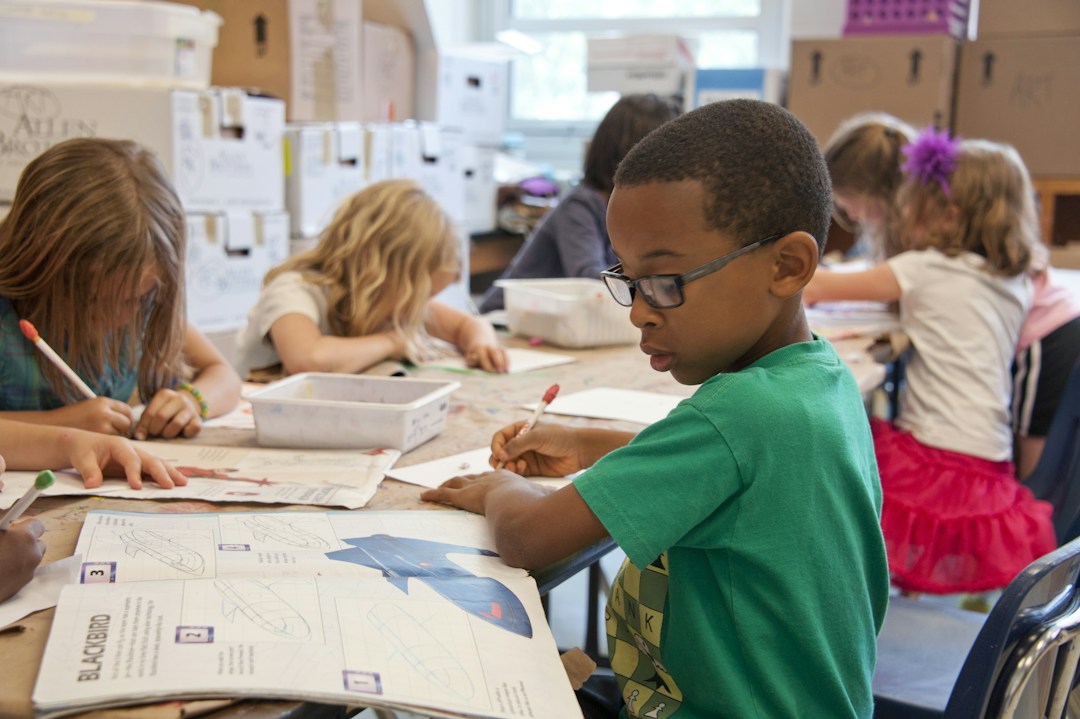
Working with other people is a skill children build through practice. In a group activity, students must listen, explain their thinking, share materials and respond when a plan changes. These skills can be challenging, especially when children have different ideas about what should happen next, but they are important parts of learning and community life.
Why this matters for children
Collaboration is not the same as agreeing all the time. Children need to learn how to disagree respectfully, take turns and combine ideas. A group succeeds when members understand the goal and feel that their contributions matter. Adults can help by making roles clear and noticing when one student is doing all the work or another is being left out.
Ideas families can try
Try cooperative tasks at home such as preparing a snack together, building something with shared materials or planning a family outing. Give each person a role and then switch roles next time. Ask children what helped the group and what made the task harder. When conflict happens, guide them toward a next step instead of immediately choosing a winner.
How the HSA connects
HSA-supported events bring families and students together around shared activities, creating opportunities to model cooperation. Volunteers can support group events by following organizer instructions and helping all children understand how to participate. For classroom group work, educators determine the learning goals and appropriate supports.
Make involvement practical and welcoming
Family participation can take many forms: attending a meeting, volunteering for one task, sharing a useful skill, contributing to a fundraiser or helping another caregiver find accurate information. No family should feel that it must do everything to belong. Work schedules, caregiving, language, transportation and other responsibilities shape what is possible, so clear choices and advance information make participation more accessible.
When an activity involves students or access to school spaces, follow the district’s current volunteer procedures and the directions of school staff. Ask organizers what help is needed before buying supplies or making commitments. A well-matched contribution is more useful than an enthusiastic effort that creates extra work for teachers or event coordinators.
Keep the partnership focused on students
Educators bring professional knowledge of curriculum, classroom routines and student needs. Families bring important insight into children’s interests, strengths and experiences beyond school. The HSA can connect these perspectives by supporting enrichment, community events and practical resources. Constructive questions—what is the goal, who will benefit, and what support is actually needed?—help keep decisions transparent and student-centered.
For current policies, schedules, student-specific concerns and official school decisions, families should contact the school or district directly. The HSA is a family association that supports the school; it is not a replacement for school administration.
A useful next step
Start with one area that matters to your household, read the HSA’s current information and ask a focused question. New families can begin with a small task; experienced volunteers can help make instructions easier for newcomers to find. Consistent, respectful contributions build a community where students, families and educators feel supported.
Helpful links
- Somerville HSA: mission, programs, volunteering and meetings
- Somerville Elementary School news and school updates
- Ridgewood Public Schools
Community feature and family guide. This article is not an official event notice; check the HSA and school channels for current dates, eligibility and registration details.